NATURE´S PALETTE
“No synthetic dye has the luster, that under-glow of rich color, that delicious aromatic smell, that soft light and shadow that gives so much pleasure to the eye. These colors are alive” - Violetta Thurston
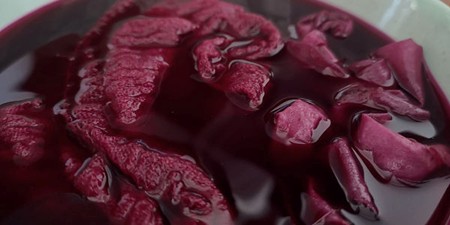
Natural dyes extracted from plants and insects were used all over the world for thousands of years until the industrial revolution, when they were replaced by synthetic dyes for mass production. Luckily the craftsmanship was kept alive, and the last decades we have seen a renewed interest among artisans and textile artists. Old methods and recipes have been rekindled and new discoveries and techniques are made and shared in a growing global community of natural dyers.
Environmental awareness is now resulting in a demand of sustainable and eco-friendly textiles, and the the fashion industry is taking action. Natural dyes are now used not only by local artisans, but also by international brands and designers. Slow-fashion is here to stay.
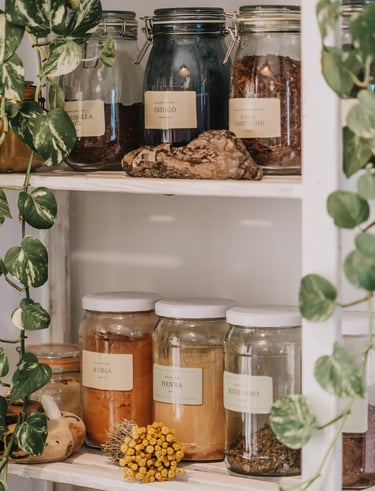

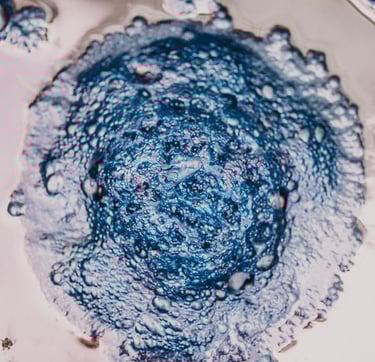
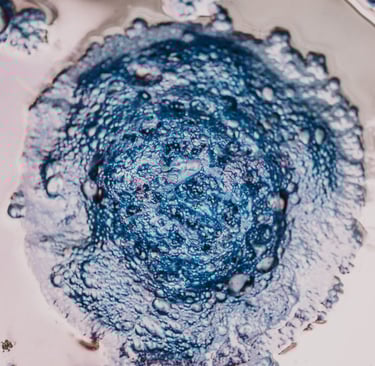
Did you know that 72 toxic chemicals have been identified in fresh water systems coming solely from textile dyeing? The skin absorbs what it gets in contact with, including the chemicals present in our clothes. Besides being eco-friendly, biodegradable and sustainable, natural dyes are nonallergic, and they neither contain harmful chemicals nor carcinogenic. On the contrary, they carry within them the medicinal and energetic properties of the plants, making them safe for the producer, the user and environment.
Ayurvastra – the life cloth- is an ancient Indian Ayurvedic way of combining different herbs and plants, infusing them into clothes providing healing for the bearer. Natural dyes offer harmonious shades and ranges of complex and rich hues that are impossible to achieve with synthetic dyes. The colours are lustrous and soothing to the human eye, healing to the human body and as they age, they develop a pleasant patina, very different from fading synthetic dyes.
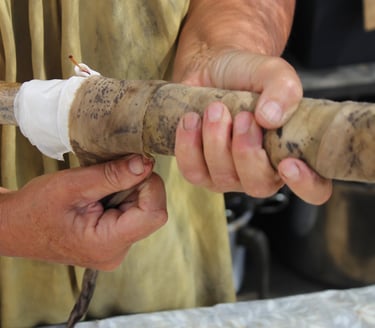
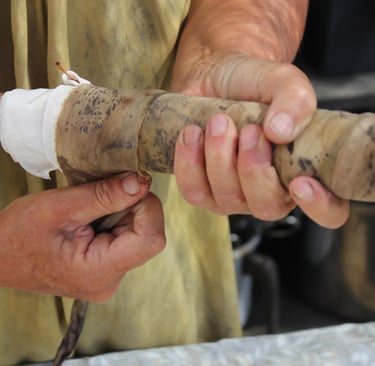
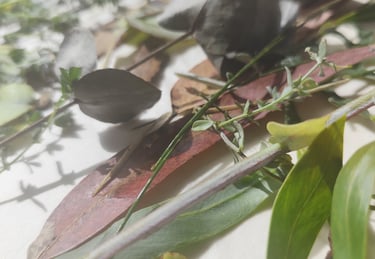
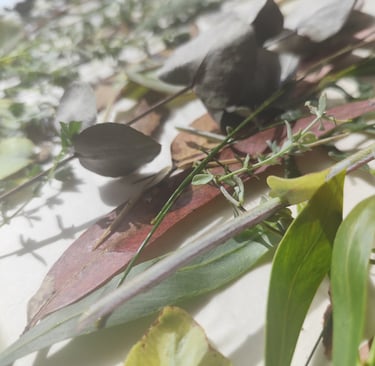
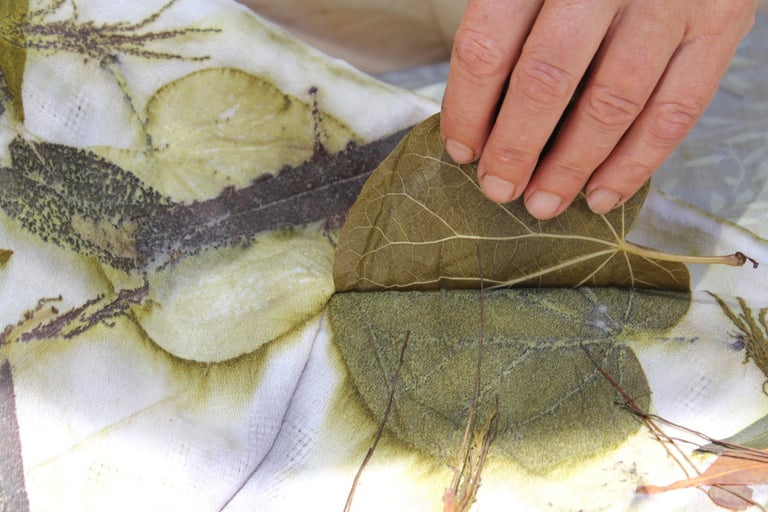
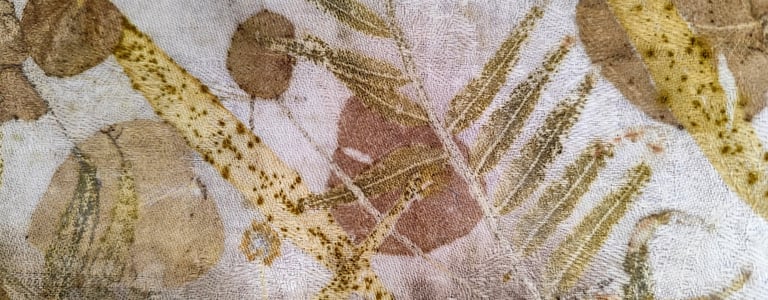
Ecoprint, also known as botanical printing, is a natural dyeing technique where leaves, flowers, and other plant materials are placed directly onto fabric. Through a process involving heat and moisture, the pigments and shapes from the plants are transferred onto the textile, creating unique and intricate patterns. Each ecoprinted piece is distinct, reflecting the natural variations in the plant materials and the environment in which they were gathered. This method not only produces beautiful, organic designs but also emphasizes sustainability by using eco-friendly practices and natural resources.
The meticulous preparation of the fabric, the careful gathering of plants, and the hours-long steaming and finishing treatments all contribute to the slow, deliberate process of ecoprinting. Each step is undertaken with intention, ensuring that every piece reflects the thoughtful artistry and patience behind this unique craft.
ECOPRINT